Architectural Acoustics
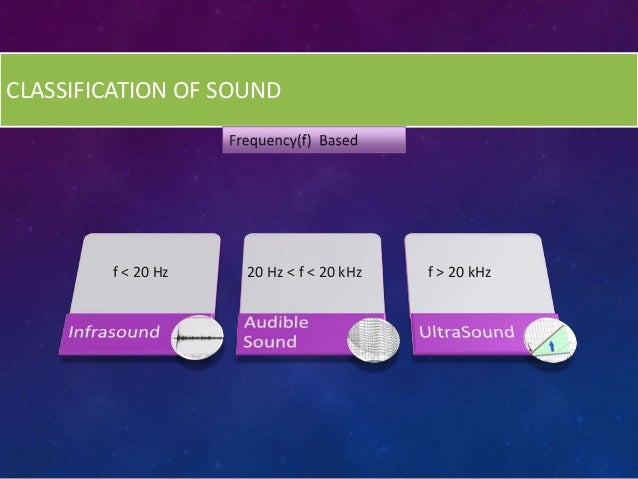
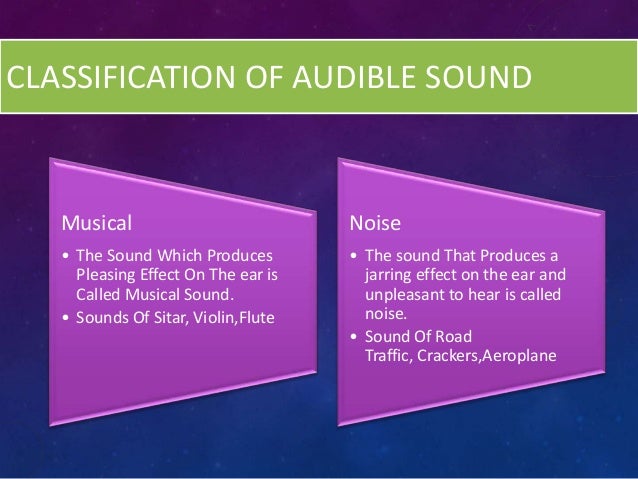
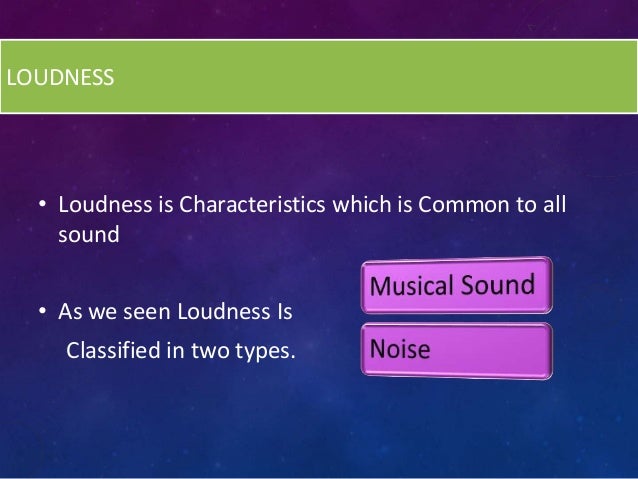
Classification of Sound : Loudness – Weber Fechner law - Decibel – Absorption Coefficient – Reverberation – Saline’s formula – Factors affecting acoustics of buildings and their remedies.
Ultrasonic
Introduction, production, properties and detection of ultrasonics. Determination of velocity and application of ultrasonic in Engineering.
Crystal Physics
Introduction and classification of solids-crystal structure – The crystal systems and Bravias Lattice – Space Lattices of cubic systems – Miller Indices – Relation between Interplanner Distance and cubic Edge and Laws Formula.
Band theory of Solids
Based theory of Solids – Classification of solids – Energy band structure of conductors, insulator and semi conductions types of diodes (simple diode, Zener diode, varactor diode, LED Solar cells, photovoltaic cell, Photo Conductivity, Hall effects.
LASERS
Introduction and properties of Lasers, Stimulated and instantaneous emersion – Relation between Ecienstein’s ‘A’ and ‘B’ Coefficients-Population Inversion – Optical – Pumping – Nd-Yag Laser and CO2 Laser – Application of Laser in Material Processing – Holography – Application of Lasers
Optical
Fibre Communication Introduction – Fibre – Optic System – advantages of Fibre optics – Basic principle – Acceptance angle and Numerical Aperture – Types of optics preparation through optical fibre
Conducting Materials
Introduction – conduction in Metals, Electron theory Q.M. treatment – Free electrode theory of metals – Electrical Conductivity – Thermal Conductivity – Wildemann – Franz law – Drawbacks of classical free electrode theory
Super Conducting Materials
Introduction to super conductor – properties of super conductor Type I and Type II super conductor – Comparision between I and II – High T conductors – Application
New Engineering Materials
Introduction – Metallic glasses, types, properties, preparation and its application – Introduction to nano technology – method of producing, properties and its application – shape memory alloys – types – shape Memory effect – Pseudo elasticity – properties – application – Bio-materials – General information – Biomedical compatibly of Ti-Al-Nb alloys for implant application.
Non-Destructive Testing
Introduction – The objective of NDT – Types of Defects – Methods of NDT (Liquid Penetrate – Dye Penetrate Radiographic) x X-ray Radiography – X-ray Fluoroscopy – Ultrasonic Inspection method – Pulse Echo System – Visual Display units.